.svg)
.png)

Why Leeds Is a Strong UK Investment Market: Jobs, Universities and Rental Demand
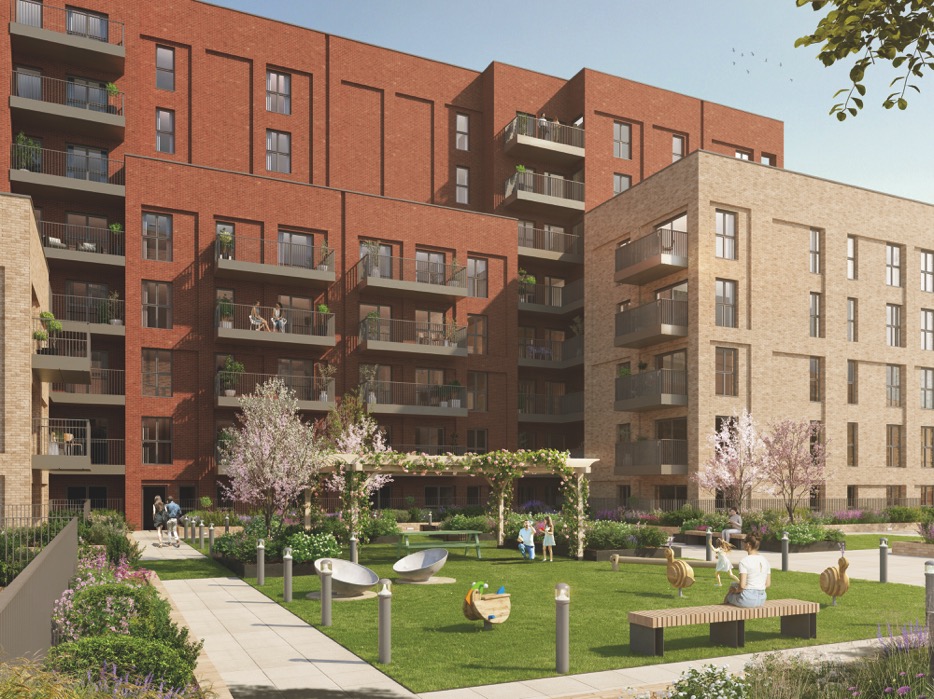
Leeds has built a reputation as one of the UK’s most resilient regional property markets. With a diverse employment base, a large and growing student population and major regeneration schemes such as Dyecoats on Kirkstall Road, the city continues to attract both domestic and international investors.
For buyers considering Leeds property investment, the fundamentals are straightforward: employment growth, inward investment, infrastructure spending and sustained rental demand.
A Regional Economy with National Reach
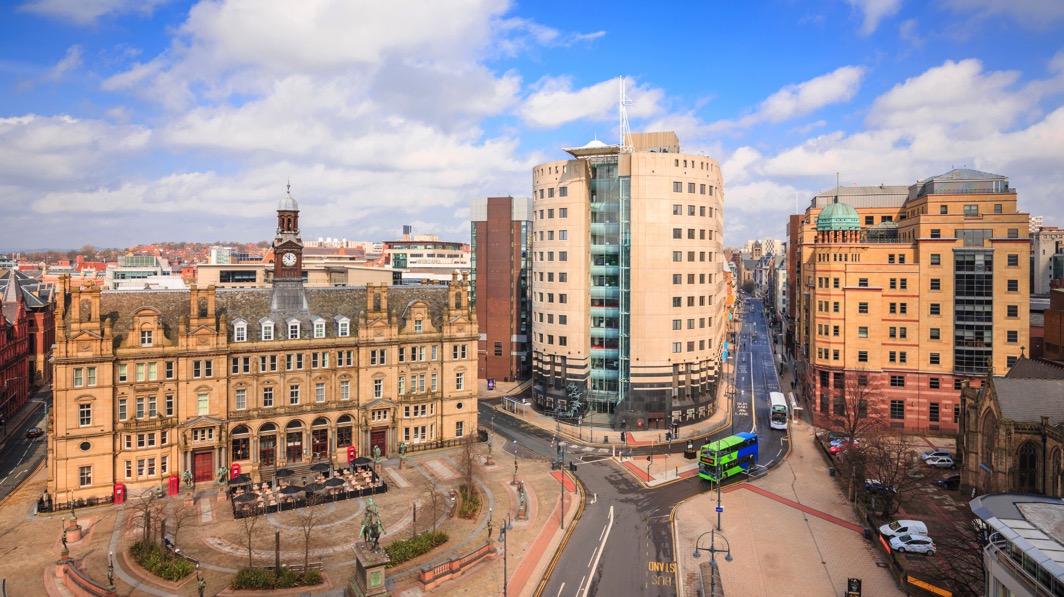
Leeds is the largest city in West Yorkshire and one of the UK’s key financial and professional services centres outside London. The Leeds City Region economy is valued at more than £70 billion annually and supports over 3 million people across the wider area.
The city is recognised as the UK’s largest centre for financial and legal services outside the capital. Major employers span banking, insurance, legal services, digital media and healthcare. Channel 4’s national HQ relocation to Leeds further strengthened the city’s media profile and employment base.
This economic diversity matters for property investors. A broad employment mix reduces reliance on a single sector and supports stable housing demand across different price points. Young professionals working in finance, law, tech and media consistently seek well-located apartments close to the city centre and regeneration areas such as Kirkstall Road.

Universities Driving Long-Term Rental Demand
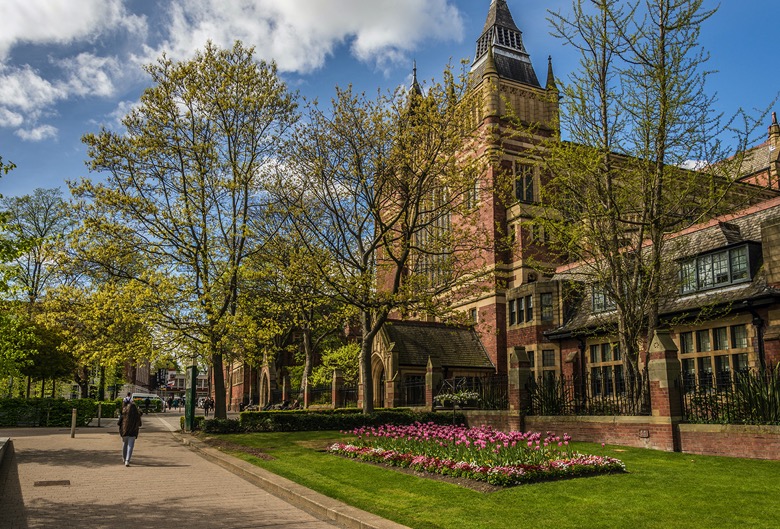
Leeds is home to several large universities, including the University of Leeds, Leeds Beckett University and Leeds Trinity University. The University of Leeds alone has over 38,000 students, with a strong international intake each year.
Importantly, many graduates remain in the city after completing their studies. This creates a steady transition from student accommodation to private rented apartments, particularly one and two-bedroom homes.
For buy to let Leeds investors, this creates two overlapping tenant pools:
- Students requiring accommodation during term time
- Graduates and young professionals seeking high-quality apartments near employment hubs
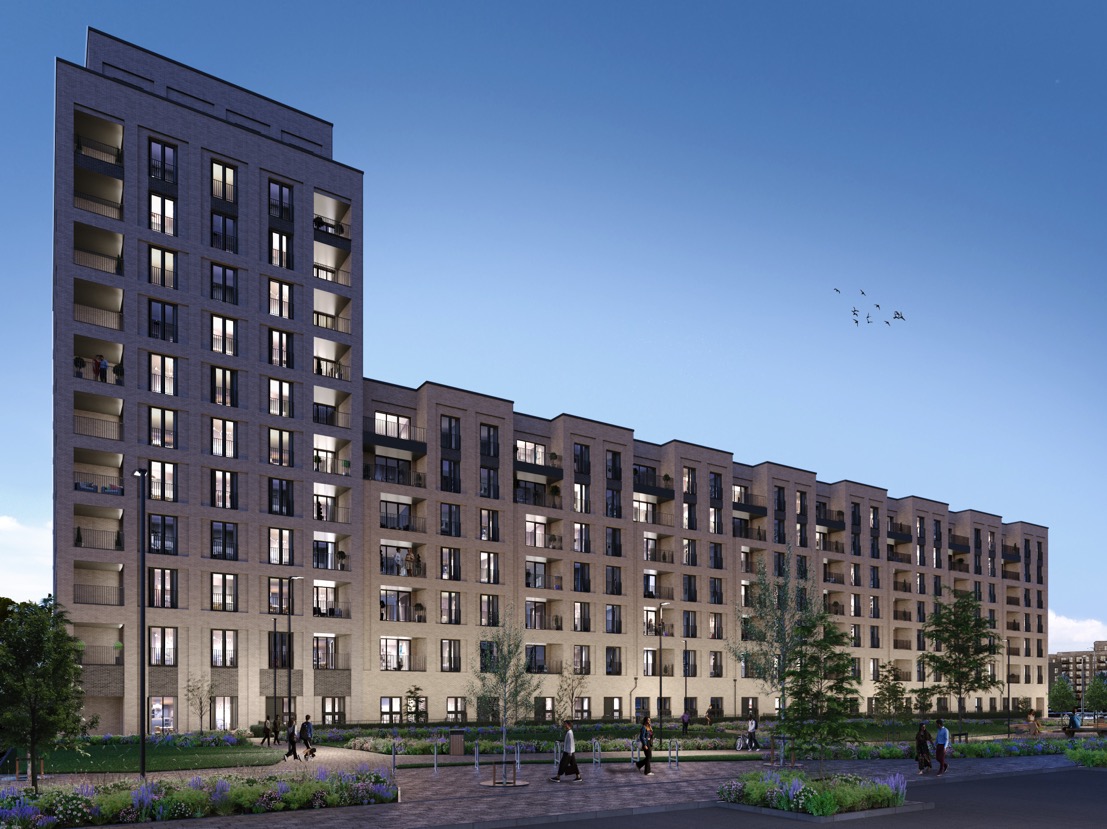
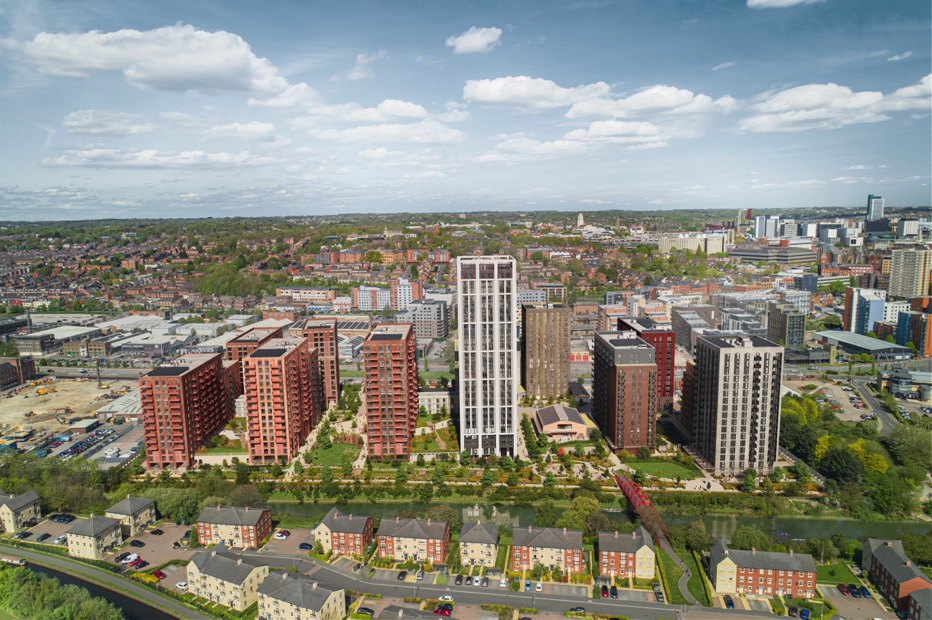
Developments positioned between universities and the commercial core, such as Dyecoats Leeds near the River Aire, are well placed to benefit from this ongoing rental demand.
Regeneration Reshaping the City
Leeds has seen sustained regeneration over the past decade, most notably through the South Bank project, one of Europe’s largest city centre regeneration schemes. This long-term investment is reshaping former industrial land into residential, commercial and public spaces.
Dyecoats forms part of the West End Riverside Development Corridor on Kirkstall Road. According to the development factsheet, the masterplan will deliver up to 1,860 mixed-tenure homes across two phases. Phase 1 construction began in February 2025, with estimated completion of the first private sale homes in Q4 2027 .
Large regeneration projects typically support surrounding values over time by improving infrastructure, connectivity and public realm. For investors purchasing early in a regeneration cycle, there is potential for capital growth as the wider area matures.
Rental Yields and Affordability
One of the reasons Leeds property investment continues to gain attention is affordability relative to London and the South East. Entry prices remain significantly lower, while rental yields are generally stronger.
Rental yields in central Leeds commonly range between 5 to 7 percent depending on unit type and location, according to national agency reports. This compares favourably to many London postcodes where yields are often lower.
House price data from the UK House Price Index shows that Yorkshire and the Humber has recorded consistent annual growth in recent years, often outperforming parts of southern England in percentage terms.
For overseas investors seeking diversification within the UK market, Leeds offers a combination of lower capital outlay and steady rental income potential.
Transport and Connectivity
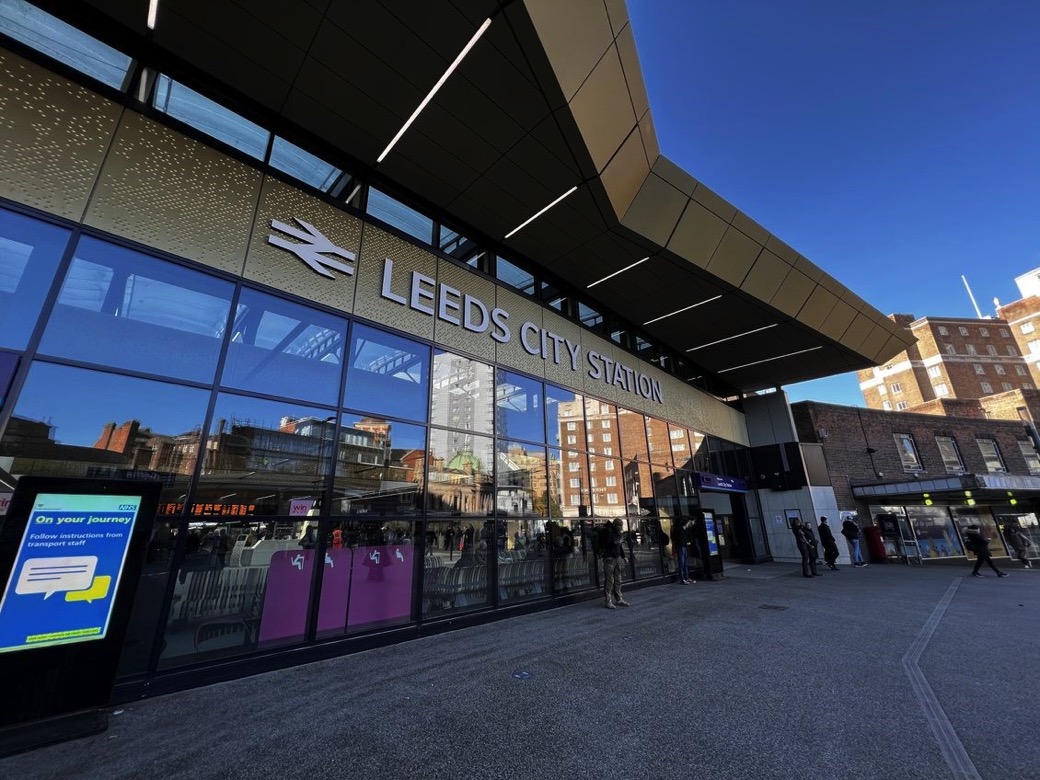
Leeds Railway Station is one of the busiest transport hubs outside London, providing direct connections to Manchester, Birmingham and London. Fast rail services place London within roughly two hours.
Kirkstall Road benefits from frequent bus routes into the city centre, and Leeds Bradford Airport provides international travel connections. Infrastructure improvements and long-term transport investment continue to strengthen the city’s accessibility.
For tenants, convenience is a key factor in choosing where to rent. Locations with reliable public transport links and easy access to employment centres tend to maintain strong occupancy levels.
A Balanced Market for Long-Term Investors
Unlike more speculative markets, Leeds has shown relatively steady growth without extreme price swings. A strong local owner-occupier base, combined with consistent rental demand, supports market stability.
Data from HM Land Registry provides transparency on transaction values, giving buyers access to clear evidence of pricing trends. This transparency is often reassuring for international investors who may not be familiar with regional UK markets.

For those assessing buy to let Leeds opportunities
The city’s fundamentals remain clear:
- Diverse employment sectors
- Large student and graduate population
- Major regeneration underway
- Competitive rental yields
- Lower entry pricing than London
Dyecoats Leeds sits within this wider growth story, positioned along the River Aire within a regeneration corridor that is set to deliver thousands of new homes over the coming years.