.svg)
.png)
A Different Side of North West London
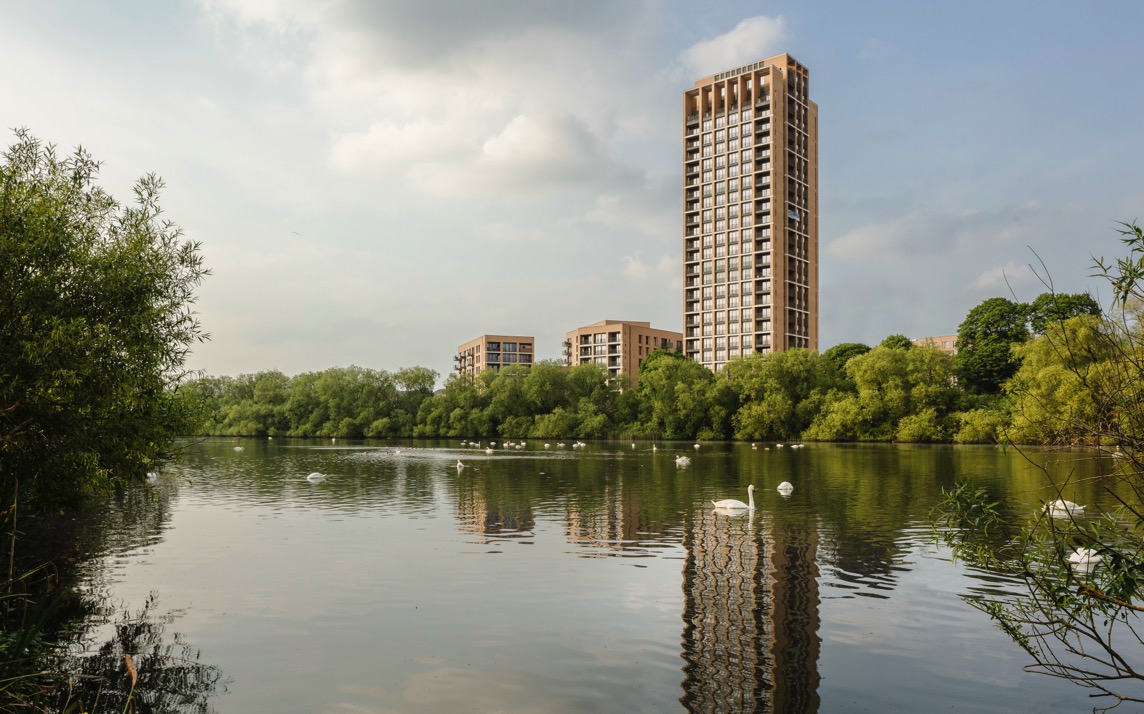
When people think about North West London, they often picture busy high roads, suburban streets and steady commuter traffic. What many do not expect to find is a 170-acre reservoir surrounded by woodland, walking paths and birdlife.
The Welsh Harp, officially known as Brent Reservoir, sits between Hendon and Neasden. It is one of London’s largest bodies of open water and a designated Site of Special Scientific Interest. That status protects its wildlife and keeps the surrounding environment relatively untouched compared to many other parts of the capital.
For residents living nearby, this is not just a view on a map. It becomes part of daily routine. Early morning runs follow the water’s edge. Dog walkers gather along the trails. At weekends, families cycle through the connected green spaces without needing to leave the neighbourhood.
It feels surprisingly open for London, especially within Zone 3.
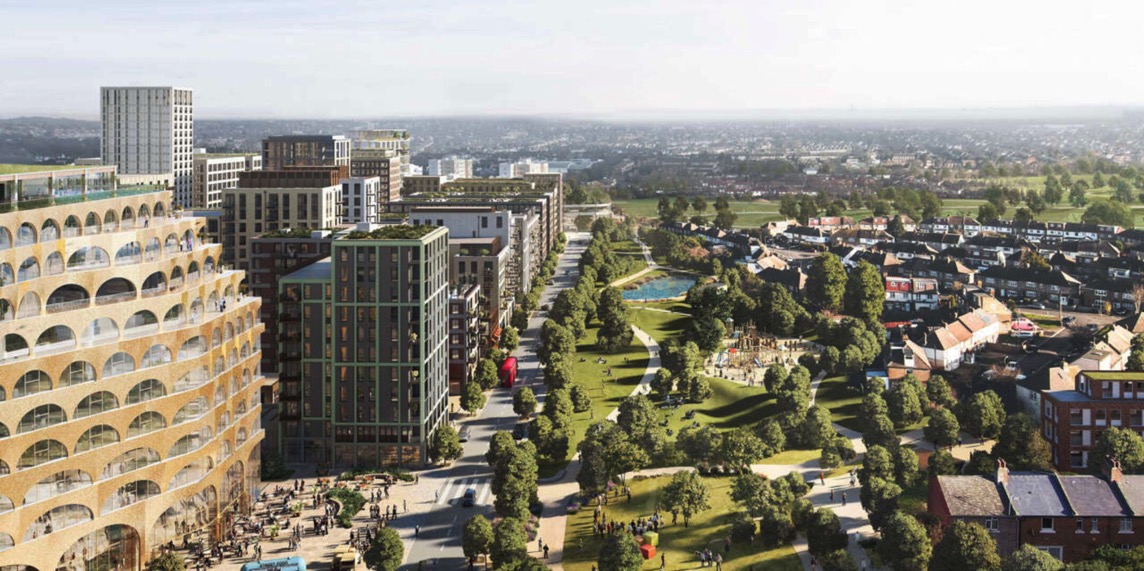
What Everyday Life Actually Feels Like
The biggest difference when living near the reservoir is space. Not just visual space, but physical breathing room.
After work, instead of heading into a crowded park, you can walk a few minutes and be beside open water. The paths are wide, the skyline is lower, and even on busier days the area rarely feels packed.
This changes how people use their time. Quick walks become longer ones. Coffee breaks turn into slow loops around the water. For those working partly from home, having somewhere nearby to reset during the day makes a real difference.
There is also something grounding about water. Even with the North Circular not far away, much of the reservoir edge feels insulated by trees and open land. The traffic fades into the background.
It is not central London energy. It is steadier than that.

Hendon and West Hendon: Practical and Established
Hendon itself has a settled, residential feel. Hendon Broadway provides the everyday essentials - supermarkets, independent shops, cafés and services. Brent Cross Shopping Centre is a short drive or bus ride away for larger retail needs.
West Hendon has seen more visible change over the past decade. Former industrial land has gradually been redeveloped into new housing, improved streets and better pedestrian routes. The transformation has not happened overnight. It has been phased, which has helped the area adjust rather than shift abruptly.
For residents, this means improved facilities without losing the underlying character of a residential neighbourhood.
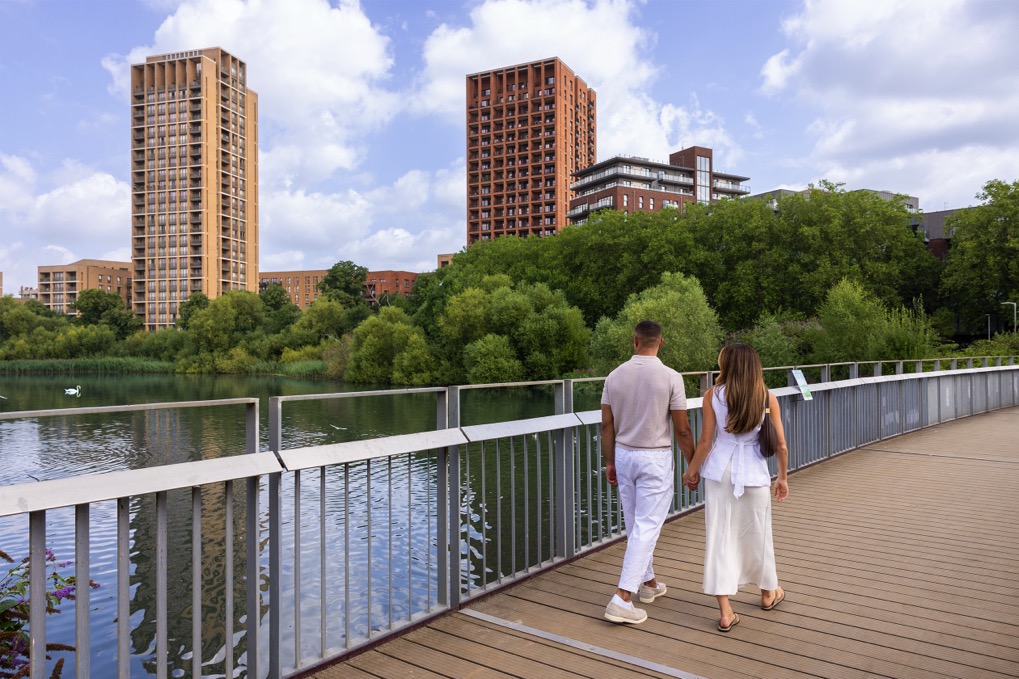
Getting into Central London
One of Hendon’s strongest practical advantages is transport.
Hendon Railway Station sits on the Thameslink line, with direct services to St Pancras International in under 20 minutes. From there, connections extend across London and beyond. The Northern line is accessible from Hendon Central Underground Station, offering another reliable route into the West End and the City.
For drivers, the A5 and North Circular provide access across North West London and towards the M1.
Commute times matter. For many professionals, the balance here works well. You are far enough out to gain space and access to nature, yet close enough in to reach central London without a complicated journey.
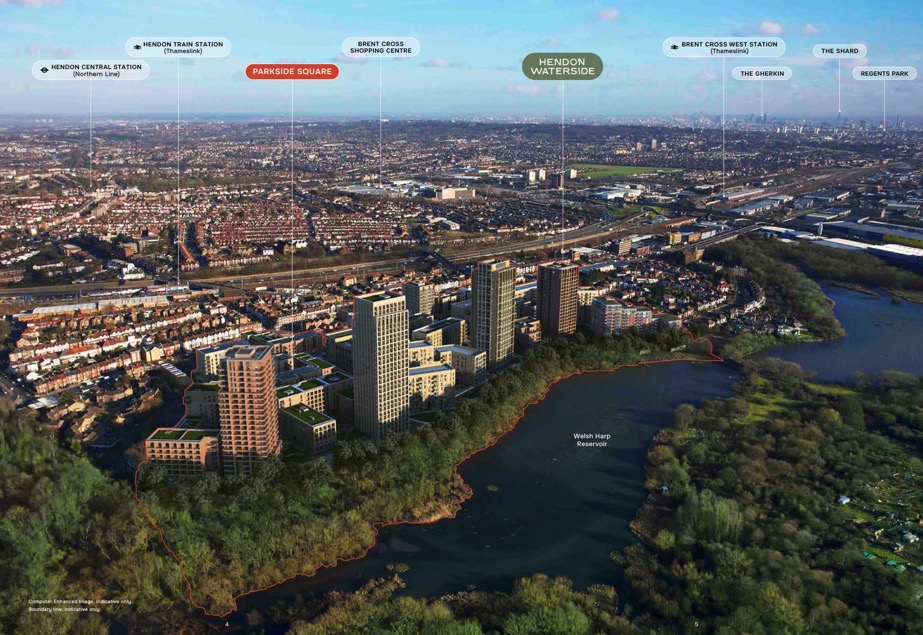
Regeneration and What It Means for the Area
The broader West Hendon area has been subject to long-term regeneration. Older plots have been replaced with new residential buildings, improved public spaces and updated infrastructure. Nearby, Brent Cross is undergoing a large-scale redevelopment that will introduce new retail, office space and transport improvements.
Change in this part of London has been gradual. That often results in steadier pricing and a more predictable rental market compared to areas that see rapid speculation.
For renters, newer buildings with better insulation and energy performance are attractive. For buyers, the presence of ongoing investment suggests continued attention to the area rather than neglect.

Who Moves Here?
The demographic around the Welsh Harp is varied.
Young professionals working in King’s Cross, the City or central London appreciate the Thameslink connection. Families value the open space and access to schools within Barnet. Long-term residents remain because the area suits their routine.
Rental demand tends to centre around one and two-bedroom flats within walking distance of transport. Access to green space has become more important in recent years, particularly as hybrid working has become common.
People are not necessarily moving here for nightlife or status. They are choosing it for practical reasons that support everyday life.

A Quieter Version of London
What stands out most about living near the Welsh Harp is not a single landmark or headline feature. It is the consistency.
You can build a routine around it. Morning walk. Evening jog. Weekend cycle. It becomes part of daily life rather than a special trip.
This part of North West London does not compete with central districts on buzz or nightlife. It offers something different - space, water and manageable access to the rest of the city.
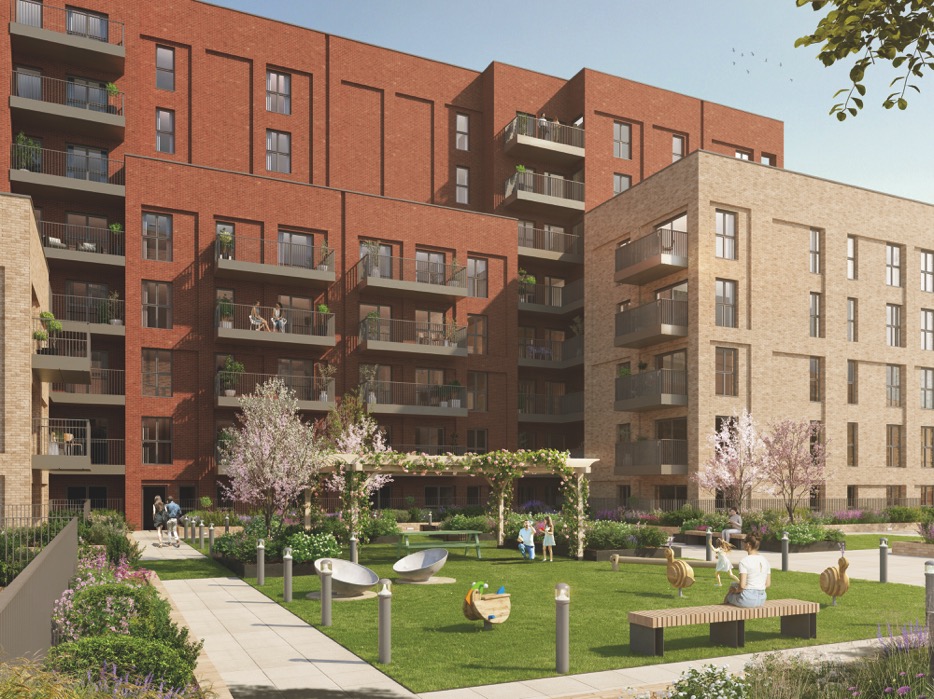
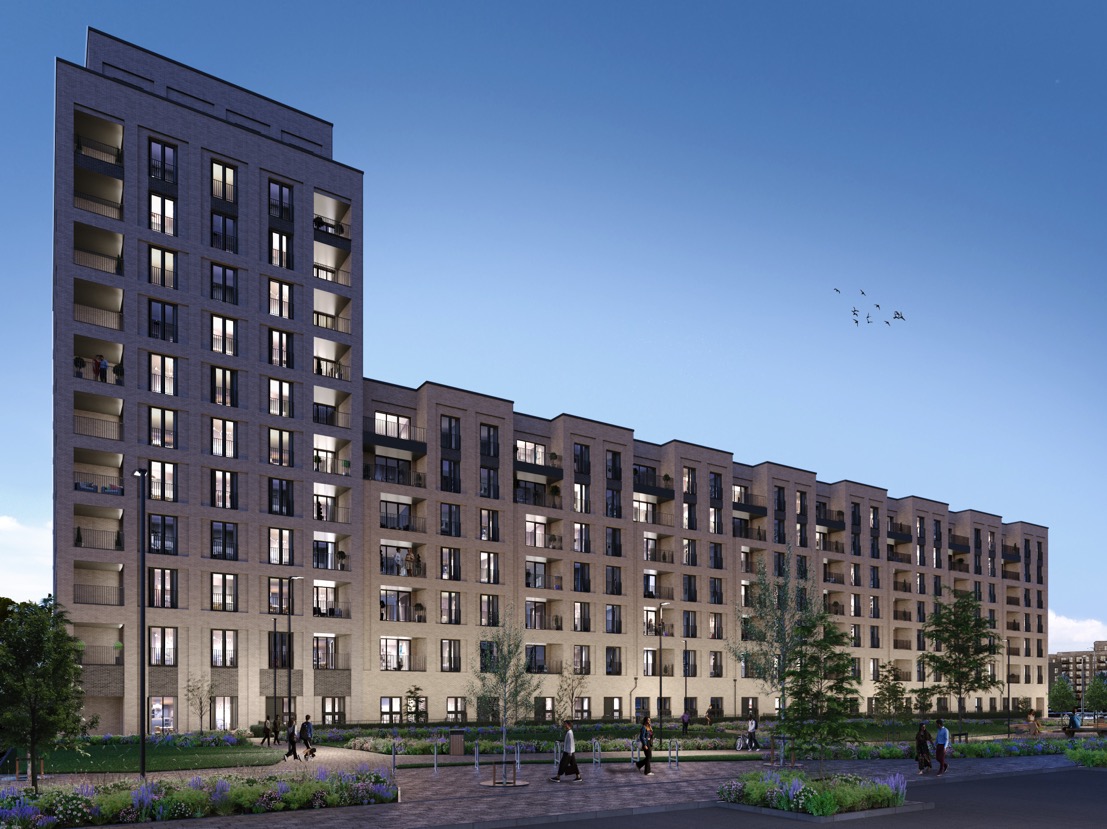
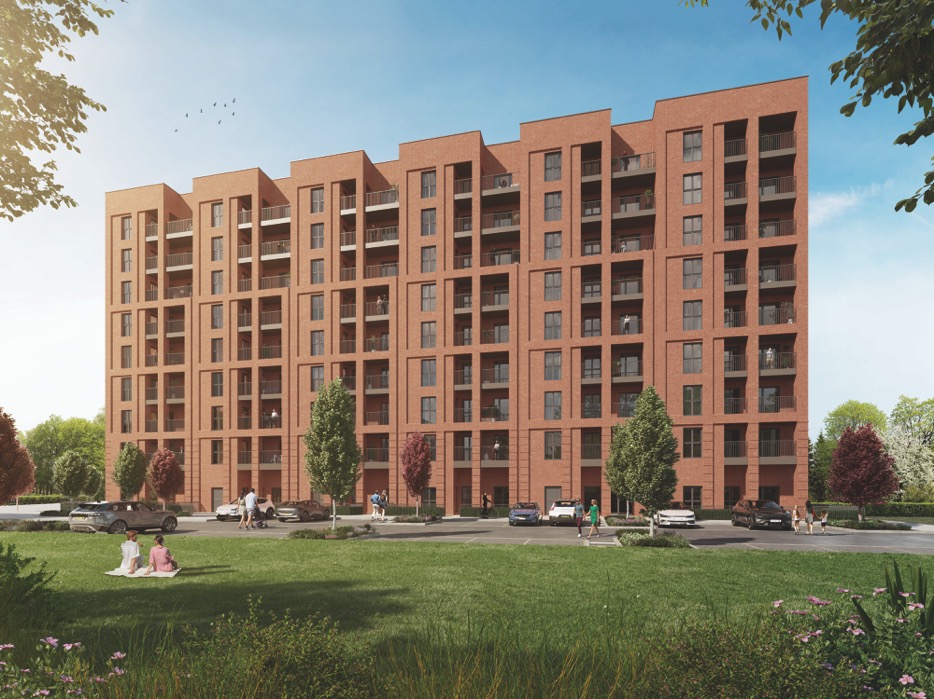
Hendon Waterside is one of the residential schemes positioned close to the reservoir and forms part of the wider regeneration story in West Hendon. It reflects the gradual shift from older industrial land to housing that connects directly with the open surroundings.
If you would like to understand more about the area or current availability nearby, you can contact our team.